
impact resistant laminated glass
Understanding Filter DN50 An In-Depth Overview In the world of fluid mechanics and engineering, filters play a crucial role in ensuring that systems operate efficiently and effectively. Among the various types of filters used across industries, the DN50 filter has garnered attention for its specific applications and benefits. In this article, we will dive deep into what a DN50 filter is, its specifications, applications, and both its advantages and limitations. What is a DN50 Filter? The term DN50 refers to the nominal diameter of the filter's inlet and outlet ports, specifically 50 millimeters. The DN stands for “Diameter Nominal,” a unit of measurement in the metric system that indicates the size of a pipe or a fitting. Filters are essential components designed to remove contaminants from fluids, be it water, oil, or gas. The DN50 filter is optimized for medium to high flow rates, making it suitable for various applications in industrial processes. Specifications of DN50 Filters Typically, a DN50 filter is constructed from high-quality materials that can withstand different temperatures and pressures. Common materials include stainless steel, plastic, and various alloys, depending on the specific application and environment. Here are some key specifications commonly associated with DN50 filters 1. Flow Rate DN50 filters can handle a substantial flow rate, generally ranging from 15 to 30 cubic meters per hour, though this can vary based on the design and make. 2. Filtration Rating The filtration rating can vary, typically from 50 microns to 300 microns, depending on the purpose of the filter. This rating indicates the size of particles that can be effectively removed from the fluid. 3. Pressure Rating The pressure rating is usually around 10 bar, allowing these filters to function efficiently under considerable pressure. 4. Connection Type Depending on the installation requirements, DN50 filters can come with various types of connections, such as flanged, threaded, or welded. Applications of DN50 Filters Given their robust characteristics, DN50 filters are widely used in diverse industries, including 1. Water Treatment Facilities DN50 filters play a pivotal role in municipal water treatment plants, helping to remove sediments and contaminants to ensure safe drinking water. 2. HVAC Systems These filters are integral to heating, ventilation, and air conditioning systems, enhancing air quality and system efficiency by filtering out dust, pollen, and other particulates. 3. Chemical Processing In chemical plants, DN50 filters are utilized to maintain product purity by removing impurities during production. filter dn50 4. Oil and Gas The oil and gas industry relies heavily on DN50 filters to ensure that pipelines remain clear of debris and contaminants, which can cause disruptions and increase maintenance costs. Advantages of DN50 Filters The use of DN50 filters comes with several notable advantages 1. High Efficiency DN50 filters are designed to operate at high flow rates, making them efficient for large-scale applications. 2. Durability Constructed from robust materials, these filters can withstand harsh conditions, ensuring a long operational life. 3. Easy Maintenance Many DN50 filters feature a user-friendly design that makes them easy to clean and maintain, reducing downtime and operational costs. 4. Versatility Their ability to be used in a multitude of applications makes DN50 filters a favored choice for engineers and facility managers alike. Limitations of DN50 Filters Despite their benefits, DN50 filters may have some limitations, including 1. Cost High-quality DN50 filters can be more expensive than smaller counterparts, which might be a concern for some budget-constrained projects. 2. Space Requirements The physical size of DN50 filters may pose a challenge in environments where space is limited. 3. Maintenance Needs While they are designed for easy maintenance, regular maintenance is still necessary to ensure optimal performance and longevity. Conclusion In conclusion, the DN50 filter is a robust and versatile component integral to a wide range of industrial applications. Understanding its specifications, benefits, and potential limitations can help engineers and facility managers make informed decisions tailored to their specific needs. As industries continue to evolve, the demand for efficient filtration solutions like DN50 filters will undoubtedly rise, underscoring the importance of this vital component in modern engineering.
about
impact resistant laminated glass
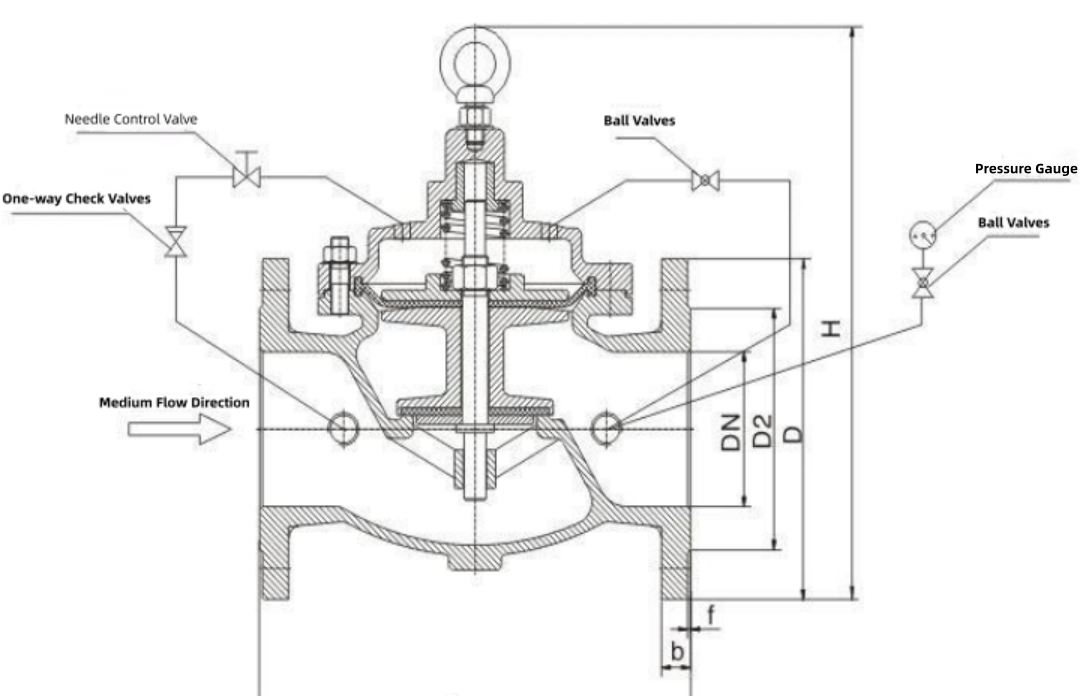
Understanding One-Way Water Check Valves In various industrial and residential applications, maintaining control over the flow of liquids is paramount. One of the most effective devices for this purpose is the one-way water check valve. This essential component prevents backflow, ensuring that water or other fluids only move in one designated direction. Understanding how these valves work, their benefits, and their applications can help users make informed decisions when installing or maintaining water systems. How One-Way Water Check Valves Work A one-way water check valve, also known simply as a check valve, operates based on the principle of pressure differential. The valve consists of two main parts the body and the disc (or flap). The body houses the inlet and outlet ports, while the disc is positioned between them. When fluid flows in the intended direction, the pressure forces the disc to lift off its seat, allowing flow to pass through. Conversely, if the fluid attempts to flow backward, the pressure drop causes the disc to fall back onto its seat, creating a seal that prevents reverse flow. This mechanism is crucial in preventing potential damage to pumps, tanks, and other components by avoiding the turbulence and pressure that can occur from backflow. The design of these valves may vary, with options like swing check valves, lift check valves, and ball check valves available for different applications. Benefits of One-Way Water Check Valves One-way water check valves come with several advantages 1. Prevention of Backflow The primary function is to stop the reverse flow of water, protecting equipment and ensuring the integrity of the system. 2. Easy Installation These valves are relatively simple to install, often requiring minimal modifications to existing plumbing systems. one way water check valve 3. Maintenance-Free Operation Most check valves do not require regular maintenance or adjustments, making them a low-maintenance option for fluid systems. 4. Versatility One-way check valves are available in various materials, styles, and sizes, making them suitable for numerous applications, from household plumbing to large-scale industrial processes. 5. Cost-Effective Solution Given their durability and low maintenance needs, check valves offer a cost-effective way to enhance the reliability and efficiency of fluid systems. Applications of One-Way Water Check Valves The applications of one-way water check valves are vast. In residential settings, they are often used in sump pumps, irrigation systems, and water heater setups to prevent backflow into the main supply lines. In industrial settings, they play a vital role in wastewater management, chemical processing, and firefighting systems, where the risk of backflow could lead to contamination or system failure. Additionally, these valves are crucial in HVAC systems, where they help in maintaining proper water flow and preventing potential damages caused by backflow. Their effective design allows for smooth operation and improved reliability in these critical applications. Conclusion In summary, one-way water check valves are fundamental components in many plumbing and fluid management systems. Their ability to prevent backflow ensures the safety and efficiency of various operations, from residential water systems to complex industrial applications. By understanding their mechanism, benefits, and applications, users can appreciate the vital role these valves play in maintaining fluid control and system integrity. Investing in quality one-way check valves is an investment in the longevity and reliability of water systems.
-

High quality industrial productsagement

High quality industrial products
View Details -

Meet the diverse needs of customers

Meet the diverse needs of customers
View Details -

Strict quality control

Strict quality control
View Details -

Top raw materials

Top raw materials
View Details -

Trusted supplier

Trusted supplier
View Details
Our application


news and information

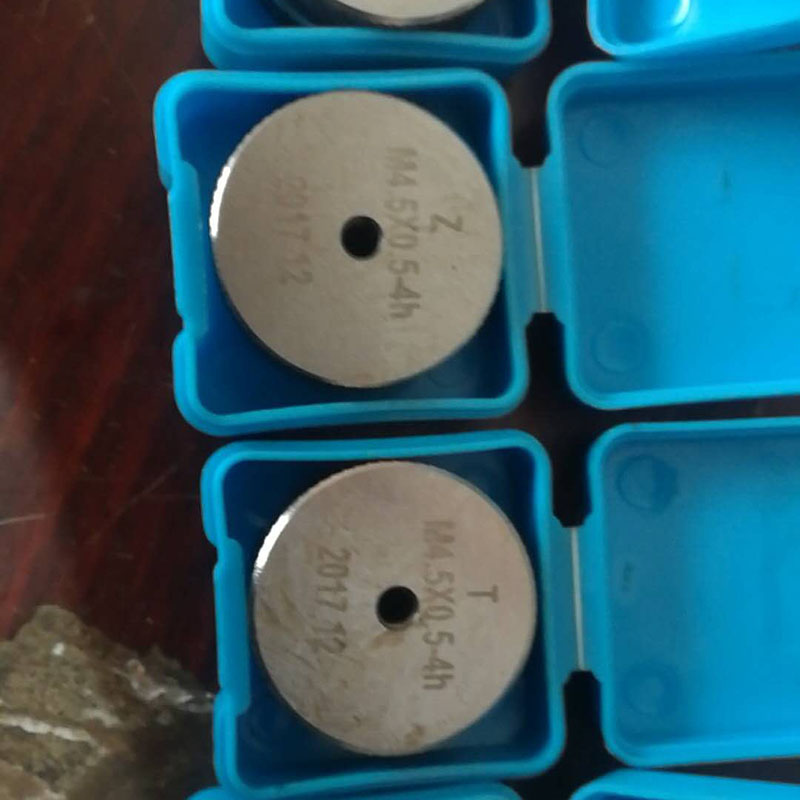
using a thread gauge
Using a Thread Gauge A Comprehensive Guide Threads are an essential component in countless mechanica
Welding Fabrication Table for Streamlined Metalworking Processes and Efficiency
Understanding Welding Fabrication The Importance of the Welding Fab Table Welding fabrication is a c

Wood frame joinery solutions for seamless construction and structural support connections
Wood frame connectors are essential components in any wooden structure, providing stability and supp
 English